

Salon and med spa websites in San Antonio lose bookings when scheduling depends on phone calls during business hours. A modern site pairs online booking that syncs to a real calendar with mobile-friendly galleries, clear service pricing, and a live Instagram feed, so clients book from a phone screen without waiting for a callback. The result is fewer no-shows, fewer missed calls, and a smoother path from search to appointment.
Losing a potential client because a call went to voicemail at 6 PM is one of the most common frustrations for salon and med spa owners in San Antonio. Booking friction like this quietly costs revenue every week, even when the service itself is excellent.
The fix is not just adding an online booking button. It is building a website that makes scheduling, browsing services, and finding pricing effortless from a phone, so clients book instead of moving to the next search result.
At Texas Web Design, we build websites for San Antonio salons and med spas that turn browsers into booked appointments. Contact us today to see what a booking-focused website could do for your calendar.
Why Booking Friction Costs San Antonio Salons and Med Spas Clients
A salon or med spa that only takes bookings by phone loses clients the moment the line is busy or the shop is closed. Industry data shows salons without deposit or reminder systems see no-show rates of 15 to 25 percent, and that gap widens further when booking depends entirely on a callback.
Online booking closes much of that gap on its own. Appointments booked online run roughly a third to half lower in no-shows than phone-booked appointments, according to booking-industry research, because clients commit the moment they choose a time slot instead of waiting on a return call.
For San Antonio salons and med spas competing on Google Maps and Instagram, the website is often the deciding factor. A site that cannot show real availability or take a booking on the spot sends interested clients straight to a competitor’s calendar.
Once a client lands on the site from a map listing or a social profile, the booking experience decides whether that visit turns into revenue. A slow or confusing path from click to confirmed appointment undoes all of the work that went into getting the click in the first place.
What a Salon or Med Spa Website Needs to Book More Appointments
A booking-focused website is built around a handful of features that work together, not a single flashy tool. These four matter most for appointment-based beauty and wellness businesses.
Online Scheduling That Works From a Phone
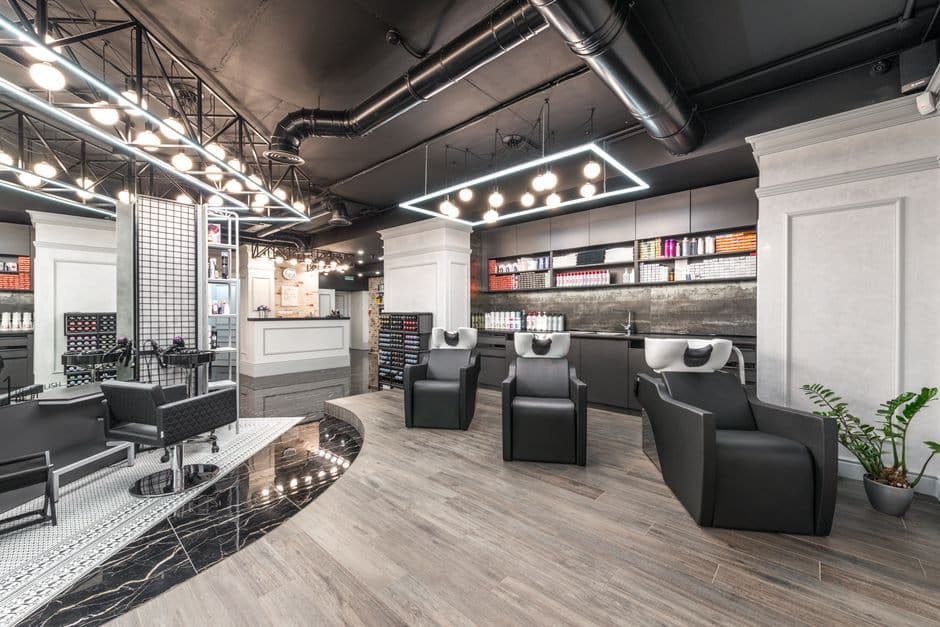
A booking widget only helps if it works well on a small screen. Clients expect to pick a service, choose a stylist or provider, and lock in a time slot in under a minute, without downloading an app first.
Booking-industry data shows 82 percent of salon bookings now happen on mobile devices, so a scheduling tool built for desktop first will lose clients before they finish. The calendar also needs to sync in real time with the shop’s actual schedule, so double-bookings never reach the client.
Automated confirmation and reminder messages close the loop, cutting down on the missed appointments that a phone-only booking process invites. The fewer steps between finding the site and confirming a time, the more of that initial interest turns into a real appointment on the books.
Before-and-After Galleries That Build Trust
Clients considering a new stylist, esthetician, or med spa provider want to see real results before they book. A gallery of before-and-after photos, organized by service type, gives visitors that proof without a single phone call. This matters even more in a market like San Antonio, where new salons and med spas open across the city every year and clients have plenty of options to compare.
For med spa services in particular, galleries should stick to general marketing language, showing client transformations without promising specific outcomes or making treatment claims that belong to a licensed provider’s consultation. Our photography and videography services help capture gallery-ready images that look consistent across every service page.
A well-organized gallery keeps visitors on the site longer, which gives the booking widget more chances to convert.
Service Menus With Clear Pricing Tiers
Uncertainty about cost is one of the fastest ways to lose an interested client. A clear service menu with pricing tiers, whether a flat rate or a starting price, lets visitors compare options without picking up the phone.
Grouping services into simple tiers, like basic, signature, and premium packages, also makes upselling natural rather than pushy, since clients see the difference in value before they sit in the chair.
Pricing pages that stay current avoid the frustration of a client arriving expecting one rate and hearing another, which is a fast way to lose repeat business. Clear tiers also cut down on the back-and-forth phone calls that would otherwise be needed just to explain what each service costs.
Instagram Feed Integration for a Visual Audience
Salon and med spa clients research visually, often scrolling Instagram before they ever type a search into Google. A live Instagram feed embedded on the homepage or service pages keeps that visual momentum going without sending visitors away from the booking flow.
Pairing a live feed with our social media marketing services keeps the website and the Instagram presence working together instead of competing for the same attention.
A feed that updates automatically also means the site never looks stale, even between manual website updates. For a visually driven audience, that steady stream of current photos does more to build confidence than a page of text ever could.
Must-Have Features for a High-Converting Booking Experience
Some features matter more than others when the goal is turning visits into booked appointments. These six move the needle most for San Antonio salons and med spas.
- Real-time online booking: a scheduling widget synced to the shop’s actual calendar, so availability shown online always matches reality.
- Mobile-first layout: every page, gallery, and booking step designed to work cleanly on a phone screen first.
- Automated reminders and confirmations: text or email follow-ups that cut down on missed appointments without extra staff time.
- Before-and-after galleries: organized by service, using general marketing language rather than clinical claims.
- Transparent pricing tiers: service menus that show cost ranges so clients arrive with realistic expectations.
- Live Instagram integration: a feed that keeps the site’s visuals current between full website updates.
How Mobile Behavior Shapes Booking Decisions for Beauty and Wellness Clients
Most people researching a salon or med spa are doing it between other tasks, not while sitting at a desktop computer. Mobile behavior shapes nearly every part of how these clients search, compare, and book, from the first search to the moment they confirm a time.
Why Most Booking Happens on a Phone Screen
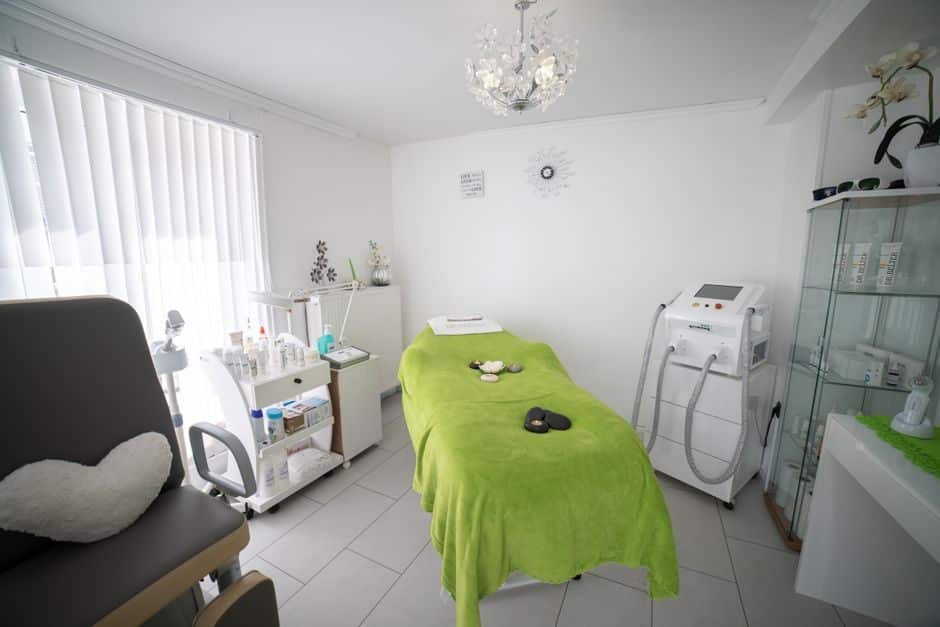
Salon and med spa research rarely happens at a desk. Industry data shows 82 percent of smartphone users run “near me” searches, and most of that research happens on the go, between errands or during a work break.
That behavior means a site’s booking flow has to work in short bursts of attention, not a long process that assumes a full browser window and unlimited time. A phone-first client abandons a clunky flow within seconds.
What Slows Down a Mobile Booking Flow
Small tap targets, forms that require zooming, and booking widgets never adapted for mobile all push clients back to the phone, which defeats the purpose of offering online scheduling at all. A responsive layout removes those friction points by resizing every element to fit the screen it is viewed on.
Our responsive web design work is built around this exact problem, so booking, galleries, and pricing all display cleanly on a phone, tablet, or laptop. A layout that only works well on one device quietly turns away a large share of visitors before they ever see the booking button.
Turning Near-Me Searches Into Booked Appointments
Near-me searches convert quickly when the destination site makes the next step obvious. Local search data shows 76 percent of people who perform a near-me search visit a business within 24 hours, and 28 percent of local searches lead to a purchase.
A site with visible hours, a clear booking button, and mobile-ready galleries gives that narrow window the best possible chance of ending in a booked appointment instead of a bounce. For San Antonio salons and med spas, that short window is often the entire difference between a full calendar and an empty one.
What This Means for Your San Antonio Salon or Med Spa
A salon or med spa website that handles booking, galleries, pricing, and Instagram well turns a browsing visitor into a scheduled client without a single phone call. That kind of site does more than look good, since it directly reduces the no-shows and missed calls that eat into a full calendar.
At Texas Web Design, we build these kinds of sites for salons and med spas across San Antonio. Call us today to talk about a booking-focused website built around your services and your schedule.
Frequently Asked Questions
How much does a website cost for a salon or med spa in San Antonio?
Cost depends on the features involved, but sites with online booking, galleries, and mobile-first design commonly run in the same range as other small business websites with custom functionality. A clear quote requires knowing which features, like booking integration or a full gallery, your site needs. Booking integration and a full photo gallery typically add more to the estimate than a simple informational site.
Does online booking really reduce no-shows?
Yes. Appointments booked online run roughly a third to half lower in no-shows than phone-booked appointments, according to booking-industry research, and adding automated reminders lowers that rate further. Pairing online booking with a deposit requirement lowers the rate even more for salons that want the strongest protection against no-shows.
Can a med spa show before-and-after photos on its website?
Yes, as long as the gallery uses general marketing language and avoids specific outcome promises or clinical claims, which should stay with a licensed provider’s in-person consultation. The goal of the gallery is visual proof of past work, not a promise about what any individual client should expect.
Should service pricing be listed on the website?
Showing at least a starting price or tiered pricing structure helps clients compare options and arrive with realistic expectations, which reduces price-related friction once they book. Tiered pricing also gives staff an easier upsell path once a client is already comparing service levels.
How does Instagram integration help a salon or med spa website?
A live Instagram feed keeps the site’s visuals current between full updates and gives visually driven clients the same content they already follow, without leaving the booking flow. It also signals to new visitors that the business is active, which builds trust before the first appointment.
Why does mobile design matter so much for booking websites?
Most research and booking activity for salons and med spas happens on a phone, so a site that is not built mobile-first loses clients to friction before they reach the booking step. A responsive layout with large tap targets and a short booking flow keeps that research from stalling out.
How long does it take to build a salon or med spa website?
Timelines vary with scope, but a site with booking integration, galleries, and pricing tiers commonly takes several weeks to plan, design, and launch properly. Projects that also need a full photo gallery or Instagram integration may run slightly longer to allow time for content.
What is the fastest way to start reducing no-shows?
Adding online booking with automated confirmations and reminders is typically the highest-impact change, since it removes the phone-tag that causes many no-shows in the first place. Layering in a deposit requirement and a mobile-first design on top of that system pushes the improvement even further.
