Who Are Your Main SEO Competitors and How Can You Analyze Their Strategies
Understanding your SEO competitors is important for developing an effective SEO strategy. Knowing who you’re up against helps you identify opportunities for improvement, gaps in your strategy, and the tactics that work best in your industry.
This article will guide you through identifying your main SEO competitors and analyzing their strategies to enhance your own SEO efforts.
If you’re looking for expert assistance to outshine your competitors and boost your online presence, contact Texas Web Design today. Our team of SEO specialists is ready to help you develop and implement a winning strategy.
Get In Touch
Identifying Your Main SEO Competitors
SEO competitors are not just businesses that offer the same products or services as you. They also include websites competing for the same keywords and search engine visibility.
This distinction is important because it broadens the scope of who you consider competitors, including informational blogs, news sites, and even community forums.
Methods to Identify Competitors
Identifying your SEO competitors requires various approaches. From simple search engine queries to sophisticated SEO tools, there are multiple methods to discover who is competing for your keywords.
1. Using Search Engines
Start by performing searches for your primary keywords. The websites that appear on the first page are your main competitors. Take note of these sites, as they are successfully targeting the same audience.
2. Utilizing SEO Tools
Tools like SEMrush, Ahrefs, and Moz can help identify competitors by analyzing the keywords you want to rank for and showing which sites are currently ranking well for those terms.
3. Analyzing Backlinks
Use tools to identify sites that link to your competitors but not to you. These backlinks are valuable, and understanding who links to your competitors can reveal potential partnership or content opportunities.
Categorizing Competitors
Not all competitors are the same. Categorizing them helps you understand their impact on your SEO strategy and how to address each type.
Direct Competitors
These are businesses offering the same or similar products or services. They compete for the same customer base.
Indirect Competitors
These sites might offer different products or services but still target the same keywords. For instance, a blog on home improvement might compete with a hardware store’s website for certain DIY keywords.
New Market Entrants
Keep an eye on emerging competitors. New businesses or websites can quickly become significant competitors, especially if they employ aggressive SEO tactics.
Analyzing Competitors’ SEO Strategies
Keyword Analysis
Analyzing the keywords your competitors target provides insights into their SEO strategy and reveals opportunities for your own keyword optimization.
1. Identifying Competitors’ Keywords
Use SEO tools to find out which keywords your competitors are ranking for. This gives you insight into their SEO strategy and which terms are driving traffic to their sites.
2. Tools and Methods
Tools like SEMrush and Ahrefs allow you to input a competitor’s URL and see their top-performing keywords. You can also use Google Keyword Planner to find related keywords and search volumes.
3. Keyword Gaps and Opportunities
Identify keywords that your competitors rank for but you don’t. These gaps represent opportunities to expand your content and improve your rankings.
On-Page SEO Analysis
On-page SEO elements significantly impact your site’s ranking. Analyzing your competitors’ on-page strategies can help you refine your own.
1. Reviewing Competitors’ Content
Examine the titles, meta descriptions, headings, and overall content quality of your competitors. Notice the keywords they emphasize and how they structure their content.
2. Site Structure and User Experience
Analyze the layout and design of competitor websites. A well-structured site with intuitive navigation can significantly improve user experience and SEO performance.
3. Best Practices
Note the practices that work well for your competitors and consider how you can implement similar strategies or improve upon them.
Off-Page SEO Analysis
Off-page SEO, including backlinks and social signals, is a major factor in search rankings. Analyzing these elements can reveal powerful strategies.
1. Backlink Analysis
Use tools like Ahrefs to analyze the backlinks of your competitors. Look at the quality and quantity of these backlinks, as they play a crucial role in SEO rankings.
2. Strategies for Acquiring Backlinks
Develop a plan to acquire similar or better backlinks. This might involve creating high-quality content that others want to link to or reaching out to the same sites that link to your competitors.
3. Social Media Presence
Evaluate how your competitors use social media to drive traffic and improve their SEO. Social signals can indirectly impact SEO, so a strong social media strategy is beneficial.
Technical SEO Analysis
Technical SEO is the foundation of a well-optimized site. Understanding your competitors’ technical setup can help you improve your own site’s performance.
1. Site Speed and Mobile-Friendliness
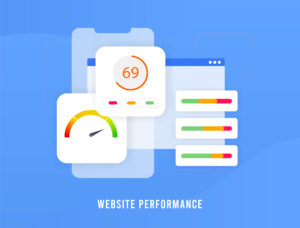
Make sure your site loads quickly and is mobile-friendly. Use tools like Google PageSpeed Insights to evaluate and improve your site’s performance.
2. Site Security (HTTPS)
Make sure your site is secure. HTTPS is a ranking factor, and users are more likely to trust and engage with secure sites.
3. Tools for Technical SEO Analysis
Utilize tools like Screaming Frog to conduct comprehensive technical SEO audits. Identify and fix issues like broken links, duplicate content, and poor site architecture.
Content Strategy Analysis
Content is king in SEO. Analyzing your competitors’ content strategies provides insights into what works and what doesn’t in your industry.
1. Evaluating Competitors’ Content
Look at the type, quality, and frequency of content published by your competitors. Identify their top-performing content pieces and understand why they perform well.
2. Top-Performing Topics
Identify topics that resonate with your audience and drive traffic. Use this information to create similar or better content.
3. Content Promotion Strategies
Analyze how competitors promote their content. This can include social media, email marketing, and partnerships. Effective promotion strategies can significantly boost your content’s reach.
Implementing Insights from Competitor Analysis
Creating a Competitor Analysis Report
Documenting your findings in a structured report helps translate insights into actionable strategies.
Structuring Your Findings
Organize your insights into a comprehensive report. Include sections on keyword analysis, on-page SEO, off-page SEO, technical SEO, and content strategy.
Using Data to Inform Your SEO Strategy
Use the report to identify strengths and weaknesses in your current SEO strategy. Develop action plans based on competitor insights.
Developing Actionable Strategies
With the data in hand, it’s time to develop strategies to enhance your SEO performance.
Setting Realistic Goals
Based on your analysis, set achievable goals for improving your SEO. This could include targeting new keywords, improving content quality, or acquiring high-quality backlinks.
Prioritizing Actions
Focus on high-impact actions first. This might involve optimizing for high-traffic keywords, fixing technical issues, or enhancing user experience.
Keyword Optimization
Start by targeting keyword gaps identified in your competitor analysis. Optimize existing content and create new content around these keywords.
Monitoring and Adapting
SEO is a dynamic field. Regular monitoring and adaptation are essential to staying competitive.
Regularly Reviewing Competitor Activities
SEO is an ongoing process. Regularly monitor your competitors to stay updated on their strategies and adjust your approach as needed.
Adapting Strategies Based on New Insights
Be flexible and willing to change your strategies based on new data. Continuous improvement is key to staying ahead in SEO.
Staying Ahead of the Competition
Use ongoing competitor analysis to anticipate and respond to changes in the competitive environment. This proactive approach helps maintain and improve your search engine rankings.
Take the Next Step with Texas Web Design
Understanding and analyzing your SEO competitors is a critical component of a successful SEO strategy. By identifying who your competitors are and dissecting their strategies, you can uncover valuable insights that inform and enhance your own approach.
Regularly updating and adapting your strategies based on competitor analysis helps you remain competitive and continue to attract and convert website visitors effectively.
Ready to outshine your competition and boost your online presence? Contact Texas Web Design today. Let us help you drive more traffic, increase conversions, and achieve your digital marketing goals.
TESTIMONIALS
“
Love their attention to detail, very quick to respond to my marketing edits that were needed ..Would highly recommend for all your marketing needs!
Crystal M.
“
These guys are awesome!!! The best customer service and the best SEO Company in the San Antonio, Tx area!!
Jason Rozacky
“
Not only do their services work, but they are also a pleasure to work with. They are super responsive and go above and beyond to exceed expectations. Highly recommend!
Joshua P
“
Their service goes above and beyond and definitely exceeds expectations. They are professionals and I look forward to many long successful years with them as their client.
Walter Wilson
Our mission is to provide attainable marketing solutions and deliver the finest customer experience with proven results.

 SEO competitors are not just businesses that offer the same products or services as you. They also include websites competing for the same keywords and search engine visibility.
  Use SEO tools to find out which keywords your competitors are ranking for. This gives you insight into their SEO strategy and which terms are driving traffic to their sites.
 Make sure your site loads quickly and is mobile-friendly. Use tools like Google PageSpeed Insights to evaluate and improve your site’s performance.