
A high-converting restaurant website in San Antonio must be mobile-responsive, load in under three seconds, and feature a clear, prominent “Reservations” button, ideally integrated with tools like OpenTable or Resy. Essential elements include high-quality, professional photos of food and ambiance, an accessible, easy-to-read menu, and strong local SEO to appear in “near me” searches.
Restaurant Website Design in San Antonio
Restaurant Website Design in San Antonio: What You Need to Get More Reservations
Get In Touch
A great restaurant in San Antonio can still sit half-empty on a Friday night if the website is doing nothing to convert hungry diners into bookings. The food, the service, and the atmosphere matter, but in 2026 the website is the front door. It is where 90 percent of diners decide whether to walk through it.
At Texas Web Design, we help restaurant owners across San Antonio, Stone Oak, Alamo Heights, and the Hill Country build websites that turn casual browsers into booked tables. We design sites that load fast on mobile, rank in local search, and remove every point of friction between a hungry diner and your reservation page.
If you want a restaurant website built to drive reservations rather than just sit online, call us at 210-985-8528 to schedule a free consultation today!
Why Restaurant Website Design Matters More Than Ever in San Antonio
Restaurant website design directly determines how many reservations a San Antonio restaurant captures from organic, paid, and “near me” search traffic. An MGH survey of 1,101 U.S. adults found 77 percent of diners check a restaurant website before booking, 68 percent have been discouraged from visiting because of a restaurant’s website, and 45 percent specifically look for food photos when they arrive. The site is no longer a digital brochure. It is the primary sales channel feeding the dining room.
The San Antonio Dining Market Is Digital First
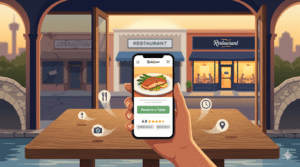 San Antonio is the third-largest metropolitan area in Texas with over 2.7 million residents across Bexar County and the surrounding region, and the local restaurant scene is fiercely competitive. Diners on the River Walk, in Stone Oak, in Southtown, in the Pearl District, and across greater San Antonio compare options on their phones before choosing where to eat. Restaurants that lose the digital comparison lose the table.
Direct Bookings Beat Third-Party Platforms
Reservation platforms like OpenTable, Resy, and Tock are valuable, but they take fees on every cover and own the customer data. A 2023 SevenRooms survey of 2,003 consumers found 55 percent of diners say making reservations directly with a restaurant is better than booking through third-party platforms, and a 2025 Toast survey of U.S. adults found 65 percent go directly to a restaurant’s website to book a reservation rather than to a third-party platform. A website with built-in reservation functionality keeps the customer relationship and the margin where they belong.
A Bad Website Costs Real Reservations
Research from MGH found 33 percent of consumers are discouraged by a difficult-to-navigate restaurant website, and 30 percent are turned off by sites that look old or out of date. Slow load speeds, broken menu PDFs, missing hours, and clunky reservation flows all push diners straight to a competitor.
The Features Every San Antonio Restaurant Website Needs
A restaurant website that drives reservations consistently includes seven core features: fast mobile Core Web Vitals, an integrated direct booking widget, a clean HTML digital menu, professional food photography, click-to-call functionality, embedded Google Maps with accurate hours, and local SEO with restaurant schema markup. Missing any one of these creates booking friction that quietly costs reservations every day.
Mobile-First Responsive Design
Mobile devices account for roughly 63 percent of all web traffic in the United States, and restaurant searches skew even higher. Diners check menus and book tables from phones at home, in the car, and standing on the sidewalk outside. A site without true mobile-friendly website design loses the majority of its potential reservations before the first page even loads.
Direct Online Reservation System
The reservation widget should be embedded directly on the homepage and visible without scrolling. Whether the restaurant uses OpenTable, Resy, Tock, Eat App, or a custom booking system, the goal is the same: minimize the clicks between landing on the site and confirming a table. Each extra step loses bookings.
A Clean Digital Menu (Not a PDF)
Downloadable PDF menus are one of the biggest conversion killers in restaurant web design. They load slowly, do not work cleanly on phones, and often appear outdated. The menu should be built directly into the website using clean HTML with categories, prices, and dietary filters where relevant. This is also sometimes called menu website design, and it is one of the most common requests we handle for San Antonio restaurants.
Professional Food Photography
Photography drives the booking decision more than almost any other element. Stock photos signal a generic restaurant. Custom shots of the actual dishes, the dining room, and the team signal quality. Investing in professional food photography pays back through higher conversion rates and stronger social media performance.
Click-to-Call and Click-to-Text Buttons
 Many diners still prefer to call for large parties, special requests, or last-minute bookings. Every page should have a tap-to-call phone number in the header and a prominent call-to-action button. On mobile, this single feature can lift reservation conversions noticeably.
Embedded Google Maps and Hours
The address, hours, and an embedded map should appear on every page, not buried on a contact page. Hours need to be accurate and updated for holidays. Diners decide based on whether you are open right now, and a wrong hours listing sends them to a competitor in under 10 seconds.
Local SEO and Schema Markup
Local search drives a massive share of restaurant traffic, especially through Google Maps and “near me” queries. Google research shows 76 percent of people who search for something local on a smartphone visit a related business within 24 hours. A site built with proper local search engine optimization, including restaurant schema markup, consistent NAP (name, address, phone) data, an optimized Google Business Profile, and location-specific content, captures these high-intent diners.
How to Convert More Website Visitors into Reservations
Converting more San Antonio restaurant website visitors into reservations comes down to reducing booking friction at every step of the conversion path. The reservation widget should be visible on every page, the booking flow should take under 30 seconds end-to-end, and trust signals like Google reviews, food photos, and clear cancellation policies should appear above the fold to remove hesitation before the diner clicks away.
Reduce Reservation Friction
Every extra click, form field, or page load between landing and confirming a booking costs reservations. A diner who has to navigate three pages to find the reservation form will often give up and call a competitor. Place the reservation widget on the homepage, the menu page, and any landing page driving paid traffic.
Add Trust Signals Above the Fold
Star ratings, review counts, awards, press mentions, and high-quality photos all reduce hesitation. A diner deciding between three restaurants will book the one that visibly signals quality first. Pull review snippets from Google, Yelp, and TripAdvisor directly onto the homepage.
Use Conversion-Focused Landing Pages for Promotions
Special events, prix fixe menus, brunch service, and seasonal promotions perform better with dedicated high-converting landing pages instead of being buried on the main site. Each landing page should have one clear goal and one clear call to action.
Match Paid Ads to Landing Page Content
When running restaurant digital advertising on Google or Facebook, the landing page must match the ad copy exactly. Sending paid traffic to a generic homepage wastes ad spend. A diner clicking a “Sunday Brunch in San Antonio” ad should land on a Sunday brunch page with a brunch reservation widget.
Common Restaurant Website Mistakes That Cost Reservations
The most common mistakes that cost San Antonio restaurants reservations include slow Core Web Vitals scores, downloadable PDF menus, hidden reservation buttons, outdated stock photography, missing or incorrect business hours, and poor mobile optimization. Each one is fixable, and each one is silently bleeding bookings to better-prepared competitors every single day.
Outdated Design and Stock Photography
A site that looks like it was built in 2015 signals that the restaurant might also be stuck in 2015. Stock photos of generic burgers and pasta plates undercut credibility. Diners want to see the actual food and the actual space.
Hidden or Hard-to-Find Reservation Button
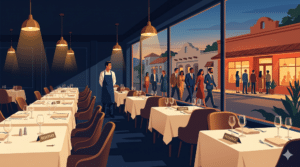 If the diner has to hunt for the reservation button, the diner books somewhere else. The booking call to action should appear in the header on every page, in the hero section of the homepage, and in the footer.
No Online Ordering or Delivery Integration
Even reservation-focused restaurants benefit from offering takeout and delivery options through the website. A site that handles dine-in, takeout, and delivery in one place becomes the central revenue hub instead of pushing customers to third-party platforms.
Slow Page Speed That Kills Mobile Visitors
Google research found 53 percent of mobile site visitors leave a page that takes longer than 3 seconds to load. For a restaurant, that means losing half the people who clicked an ad, scanned a QR code, or tapped a Google search result. Speed is not a luxury, it is the foundation of every other conversion improvement.
Turn Your Restaurant Website Into a Reservation Engine
A professionally designed restaurant website is the single highest-leverage marketing investment a San Antonio restaurant can make. It works 24 hours a day, captures bookings while the team is busy serving guests, and turns paid traffic into measurable revenue. A cheap or outdated site does the opposite, draining reservations into the hands of better-prepared competitors.
Whether you run a fine dining destination on the River Walk, a family spot in Stone Oak, or a fast-casual concept in Southtown, the website needs to do real work. It needs to load fast, look beautiful on a phone, capture direct bookings, and rank when locals search. See how we approach small business web design in San Antonio and real estate web design in San Antonio for more examples of how we build industry-specific sites that perform locally.
Our team at Texas Web Design builds professional restaurant web design for San Antonio restaurants that need a site built to fill tables. Whether you need a brand new build, a redesign of an outdated site, or a complete digital strategy that ties web, SEO, and ads together, contact us today to schedule a free consultation to discuss what your restaurant actually needs.
Frequently Asked Questions
How much does a professional restaurant website cost in San Antonio?
A professional restaurant website in San Antonio typically costs between $3,000 and $10,000 for a custom build that includes mobile optimization, integrated reservations, a clean menu system, and basic local SEO setup. More complex sites with online ordering, multi-location support, or custom integrations can run higher. DIY template sites can cost as little as $200 to $800 but rarely produce the conversion performance needed to compete in the San Antonio market.
Should my restaurant website use OpenTable, Resy, or a custom reservation system?
Most San Antonio restaurants benefit from using a major reservation platform like OpenTable, Resy, Tock, or Eat App because diners already trust them and they integrate easily with most websites. Higher-end and high-volume restaurants often choose Resy or Tock for their guest data and CRM features. The right choice depends on your monthly cover volume, budget, and how much guest data you want to own directly.
How important is mobile optimization for a restaurant website?
Mobile optimization is the single most important feature of a modern restaurant website. Roughly 63 percent of web traffic in the United States comes from mobile devices, and restaurant searches skew higher because diners often look up restaurants on the go. A site that fails Core Web Vitals on mobile loses the majority of its potential reservations before the diner ever sees the menu.
How long does it take to design and launch a restaurant website?
A professionally designed restaurant website typically takes 6 to 10 weeks from project kickoff to launch, depending on the complexity, the amount of custom photography needed, and the integrations required. Faster timelines are possible for simpler builds, but rushing the design and content phases tends to cost conversions later.
Do I really need professional food photography on my restaurant website?
Yes, professional food photography is one of the strongest conversion drivers on a restaurant website. An MGH survey found 45 percent of diners specifically look for food photos when visiting a restaurant website, and 36 percent have been discouraged from visiting because food photography was not enticing. Stock photos signal a generic operation, while custom photography of actual dishes, the dining room, and the team builds the trust that converts a browser into a booking.
How does a restaurant website help with Google rankings and local search?
A well-built restaurant website improves Google rankings by combining technical SEO foundations like fast load speeds and schema markup with local signals like an optimized Google Business Profile, accurate NAP information, and location-based content. This combination helps the restaurant appear in the local map pack, organic search results, and “near me” searches that drive in-person visits.
What should I look for when hiring a web designer for my restaurant?
Look for a web designer with restaurant industry experience, a portfolio that includes mobile-first responsive sites, demonstrated SEO knowledge, and a clear process for integrating reservations and online ordering. Ask to see live examples of restaurant sites they have built, request page speed scores, and confirm they understand the San Antonio market and local search dynamics.
Should I redesign or just update my current website?
Update if your site loads in under three seconds, ranks well for local San Antonio keywords, converts at industry average, and looks current. Redesign if two or more of those factors are off, since a full rebuild almost always delivers stronger long-term results than patching an aging site that was not built to perform.