High-Converting WordPress Landing Page Design That Drives Results
How to Design Landing Pages with WordPress: A Step-by-Step Guide
Designing with WordPress, Texas Web Design creates landing pages that captivate and convert. Our user-friendly approach allows us to create pages that are not only visually appealing but also highly functional, with no deep coding required. We prioritize responsive design and accessibility, ensuring our landing pages serve a diverse audience effectively.
With WordPress’s robust themes and plugins, we implement clear calls-to-action, optimize load times, and guarantee mobile responsiveness, laying a strong foundation to meet and exceed modern user expectations.
Get In Touch
Our landing pages benefit from WordPress’s extensive community support, keeping us ahead of the latest design trends and best practices.
At Texas Web Design, we empower companies to fine-tune their messaging, highlight their brand identity, and analyze visitor data to continuously enhance their marketing efforts. For your web design projects, contact us today and take advantage of the full potential of WordPress.
What is a Landing Page?
When talking about websites, a landing page is like the welcome mat at the front door: it’s the first thing visitors see. Now, let’s understand why they’re a big deal and what makes them click.
Purpose and Importance
A landing page serves a key mission. It’s all about getting visitors to take action. Whether it’s snagging their email, selling a product, or getting them to pick up the phone, its job is to grab attention and hold onto it.
Conversion Focus: Unlike general web pages, each landing page is a focused player with one game plan—turn visitors into leads or customers.
First Impressions Count: They’re the frontline of user engagement, so they’ve got to make a positive, lasting impression fast.
Key Elements
A stellar landing page isn’t just about looking good; it’s a careful combination of must-haves that guide the visitor to the end zone.
Head-turning Headline: It’s got to be like a book you can’t put down—captivating enough to keep them reading.
Persuasive Subtext: Right under the headline, there’s a smooth line or two that seals the deal on why they need to stick around.
Standout Call-to-Action (CTA): The CTA’s like the buzzer-beater shot—it needs to be clear, strong, and tempting enough to make them leap.
Images that Hook: A picture’s worth a thousand words, right? Well-chosen images can tell a story all by themselves, making visitors want to be a part of it.
Social Proof: Testimonials or logos of past clients—they’re the cheering crowd that gives cred to what’s being offered.
Setting Up WordPress
Before one gets into the creative aspect of designing a landing page, one needs to get WordPress up and running. This involves a few crucial steps, like choosing a domain, selecting a hosting provider, and installing WordPress itself.
Choosing a Domain
A domain is the web address people will use to find a business online. It should be concise, easy to remember, and reflective of the brand. For example:
Good Choice: www.SanAntonioDesigns.com
Less Effective: www.WebDesignAndMarketingTXSA1234.biz
Selecting a Hosting Provider
The right hosting provider can make or break a site’s performance and reliability. One should look for providers with strong uptime records, customer support, and WordPress-specific services.
Here’s a comparison of two hypothetical hosts:
Hosting Provider
Uptime Guarantee
WordPress Support
Starting Price
HostA
99.9%
Yes
$3.95/month
HostB
99.5%
No
$2.95/month
Installing WordPress
Most hosting providers offer one-click WordPress installation, making it a swift process. Once the hosting service is secured:
Log in to the hosting account.
Navigate to the control panel.
Look for an auto-installer section or WordPress tools.
Click on the WordPress installer to begin the installation.
Follow the instructions to complete the setup.
Designing in WordPress
When designing a landing page in WordPress, one must pay attention to choosing the right theme, utilizing page builders for unique layouts, and applying responsive design principles to ensure the site looks great on all devices.
Themes and Templates
WordPress offers a massive selection of themes and templates that serve as the foundational design of any site. There are thousands of options to choose from, ranging from free to premium.
It’s essential to select a theme that aligns with the landing page’s purpose, optimizing for both aesthetics and functionality.
Free Themes: Great for those on a tight budget, often created by the community.
Premium Themes: Offer more features and support, but at a cost.
Page Builders for Customization
For those requiring more customization, page builders allow for intricate designs without needing to code. They provide a drag-and-drop interface to build pages.
Elementor: Known for its versatility and ease of use.
Beaver Builder: Offers great control over responsive design features.
Responsive Design Principles
Applying responsive design principles ensures that a landing page adapts to the screen size of various devices, providing a seamless user experience.
Use of fluid grids and flexible images.
Applying media queries to adjust layout elements for different devices.
The Best WordPress Plugins for Building Landing Pages in 2026
The best WordPress landing page plugin depends on your goals, budget, and how many sites you build. Five drag-and-drop page builders dominate the market, and each one solves a different problem.
Elementor is the most widely used WordPress page builder, powering over 10 million active sites. Free version; Pro starts at $59/year. Best for beginners and freelancers who want a versatile builder with a massive template ecosystem.
SeedProd is purpose-built for landing pages and loads roughly three times faster than Elementor in 2026 testing. Free Lite version; paid plans start at $79/year. Best for small businesses running ad campaigns or coming soon pages.
Beaver Builder is the developer favorite, in continuous development since 2014 and known for clean code. Free version; paid plans start at $89/year, with higher tiers for multiple sites. Best for performance-focused builds and SEO-conscious developers.
Divi offers the largest template library (2,000+ layouts) and the only lifetime license in this group. $89/year or $249 one-time, both for unlimited sites. Best for agencies building many client sites.
Thrive Architect is the conversion-focused option, with 300+ marketing-tested templates and A/B testing available through the Thrive Optimize add-on. Standalone license is $99/year. Best for bloggers, course creators, and online businesses where conversions drive revenue.
Plugin
Price (2026)
Free Version
Best For
Elementor
$59/year
Yes
Versatile design
SeedProd
$79/year
Yes
Fast landing pages
Beaver Builder
$89/year
Yes
Clean code
Divi
$89/year or $249 lifetime
No
Unlimited sites
Thrive Architect
$99/year
No
Conversion focus
Match the plugin to your priority: flexibility, speed, code quality, lifetime value, or conversions.
How to Build a WordPress Landing Page Step by Step
Once your plugin is installed, the workflow is the same regardless of which builder you choose. Most WordPress users can launch a working landing page in an afternoon by following these steps.
Step 1: Pick a Template That Matches Your Goal
Open the page builder and choose a template that fits the campaign type. Lead generation pages need an email capture form near the top. Sales pages need a clear pricing block and product images. Webinar pages need a registration form and a countdown. SeedProd offers more than 200 landing-page-specific templates, while Elementor has a broader library covering full-site designs. Skip the template entirely if you want to start with a blank canvas.
Step 2: Customize Headline, Visuals, and Copy
Replace the template placeholders with your real headline, subhead, hero image, and body copy. Drag widgets in or out as needed. Use the responsive preview to check tablet and mobile views before saving. Keep paragraphs short and use bullets for benefits, not features.
Step 3: Place Your Call-to-Action Strategically
Add at least two CTAs above the fold and at the end of the page. Match button color to your brand but keep it visually distinct from the background. Use action verbs like “Get Started,” “Download Now,” or “Book a Free Call” rather than passive “Submit” or “Click Here.”
Step 4: Publish and Run an A/B Test
Publish the page and connect it to your traffic source: an ad campaign, an email blast, or organic search. Then create a second version with one variable changed: a different headline, CTA color, or hero image. Thrive Optimize handles A/B tests for Thrive Architect users, while Elementor users typically rely on third-party plugins like Nelio AB Testing or AB Split Test. Run each test until you reach at least 100 conversions per variation.
Content Creation
Creating compelling content is vital for any landing page. It engages visitors and guides them toward the intended action.
Writing Engaging Copy
The key is to grab attention with headlines that promise value. A writer should keep the body text concise, using bullet points to break down key benefits. They should use active voice to create an immediate connection and make the value proposition clear.
Using Visuals Effectively
They need to select images or videos that complement the message. Visuals should be high-quality and relevant, capturing the essence of the product or service. Using infographics can also distill complex information into digestible visuals that enhance the user’s understanding.
Creating Strong Calls-to-Action
Every landing page requires a clear call-to-action (CTA). Marketers should make buttons or linksstand out with contrasting colors and persuasive text. They need to ensure the CTA is action-oriented, like “Download Now” or “Get Started,” to prompt immediate responses.
Optimization Strategies
When designing landing pages with WordPress, the key to increasing traffic and conversion lies in effective optimization strategies. These include keeping up with SEO best practices, ensuring your pages are fast and mobile-friendly, and using A/B testing to refine your approach.
SEO Best Practices
For Search Engine Optimization (SEO), content is king, but so is the structure. Optimizing for SEO means:
Keywords: Integrate relevant keywords naturally into titles, headings, and body text.
Metadata: Craft compelling meta titles and descriptions to improve click-through rates.
Readable URLs: Create clear, descriptive URLs for each landing page.
Alt Text for Images: Boost accessibility and SEO with descriptive alt text for visuals.
Speed and Mobile Optimization
Pages should load quickly and work seamlessly on mobile devices:
Responsive Design: Ensure your WordPress theme is responsive, automatically adjusting to the user’s device.
Compressed Images: Use tools to reduce image file sizes without sacrificing quality.
Caching Plugins: Utilize caching plugins to speed up load times.
CDN Services: Consider a Content Delivery Network (CDN) to distribute content faster globally.
A/B Testing
Landing page optimization isn’t complete without A/B testing:
Test Headlines: Craft different versions of your headlines to see what captures attention.
Call-to-Action (CTA) Variations: Experiment with button colors, sizes, and wording to increase conversions.
Layout Changes: Compare different arrangements of elements to find the layout that best guides users to take action.
Content Offerings: Test various lead magnets like eBooks, trials, or demos to determine what resonates with your audience.
Final Thoughts
Designing with WordPress, Texas Web Design creates landing pages that captivate and convert. Our user-friendly approach allows us to create pages that are not only visually appealing but also highly functional, with no deep coding required. We prioritize responsive design and accessibility, ensuring our landing pages serve a diverse audience effectively.
With WordPress’s robust themes and plugins, we implement clear calls-to-action, optimize load times, and guarantee mobile responsiveness, laying a strong foundation to meet and exceed modern user expectations.
Our landing pages benefit from WordPress’s extensive community support, keeping us ahead of the latest design trends and best practices.
At Texas Web Design, we empower companies to fine-tune their messaging, highlight their brand identity, and analyze visitor data to enhance their marketing efforts. For your web design projects, contact us today and take advantage of the full potential of WordPress.
Yes. Many WordPress themes come with built-in templates specifically designed for landing pages that incorporate best practices for high conversion rates.
You can customize a WordPress landing page using Elementor by dragging and dropping widgets onto the page, adjusting section heights and widths, and applying styling options for fonts, colors, and images to create a unique and engaging layout.
WordPress doesn’t offer its own exclusive landing page builder. Users often rely on third-party plugins like Elementor, Beaver Builder, or Divi to build and customize landing pages with extended functionality beyond what is available in the default editor.
The best WordPress plugin for landing pages depends on your goals. SeedProd is the best choice for fast-loading, conversion-focused landing pages with a lightweight code footprint. Elementor is the most versatile option with a large template ecosystem and a strong free version. Beaver Builder suits developers who prioritize clean code, while Divi works well for agencies thanks to its lifetime license. Thrive Architect is purpose-built for marketers who need conversion-focused templates and pairs with the Thrive Optimize add-on for A/B testing.
Most users can publish a working landing page in an afternoon when starting from a pre-built template. Building from scratch with custom design, integrations, and copywriting typically takes one to three days for a polished result. Factors that extend the timeline include connecting email marketing services, setting up tracking, integrating payment processors, and running A/B tests after launch.
A basic WordPress landing page can cost as little as $0 using free plugins like SeedProd Lite or Elementor’s free version. A typical paid setup runs $59 to $99 per year for a premium page builder license. Add hosting (around $3 to $30 per month for shared or managed plans) and an optional email marketing tool. Custom landing pages built by a freelancer or agency usually start around $500 and can run $1,500 to $5,000 or more depending on complexity, copywriting, and integrations.
Yes. WordPress can host a single landing page without a full website by using maintenance mode, a coming soon plugin, or a dedicated landing page domain. Plugins like SeedProd let you publish a standalone page that does not show site-wide headers, footers, or navigation. This setup works well for product launches, lead-capture campaigns, or pre-launch waitlists.
The median landing page conversion rate is around 6.6 percent across industries, based on Unbounce’s analysis of 41,000 pages. A conversion rate of 10 percent or higher places a page in the top 25 percent of performers, and the top 10 percent reach 11.45 percent or above. Conversion rates vary widely by industry, traffic source, audience targeting, and offer quality. Comparing your page against your own historical baseline matters more than chasing industry averages.
TESTIMONIALS
“
Love their attention to detail, very quick to respond to my marketing edits that were needed ..Would highly recommend for all your marketing needs!
Crystal M.
“
These guys are awesome!!! The best customer service and the best SEO Company in the San Antonio, Tx area!!
Jason Rozacky
“
Not only do their services work, but they are also a pleasure to work with. They are super responsive and go above and beyond to exceed expectations. Highly recommend!
Joshua P
“
Their service goes above and beyond and definitely exceeds expectations. They are professionals and I look forward to many long successful years with them as their client.
Walter Wilson
Our mission is to provide attainable marketing solutions and deliver the finest customer experience with proven results.



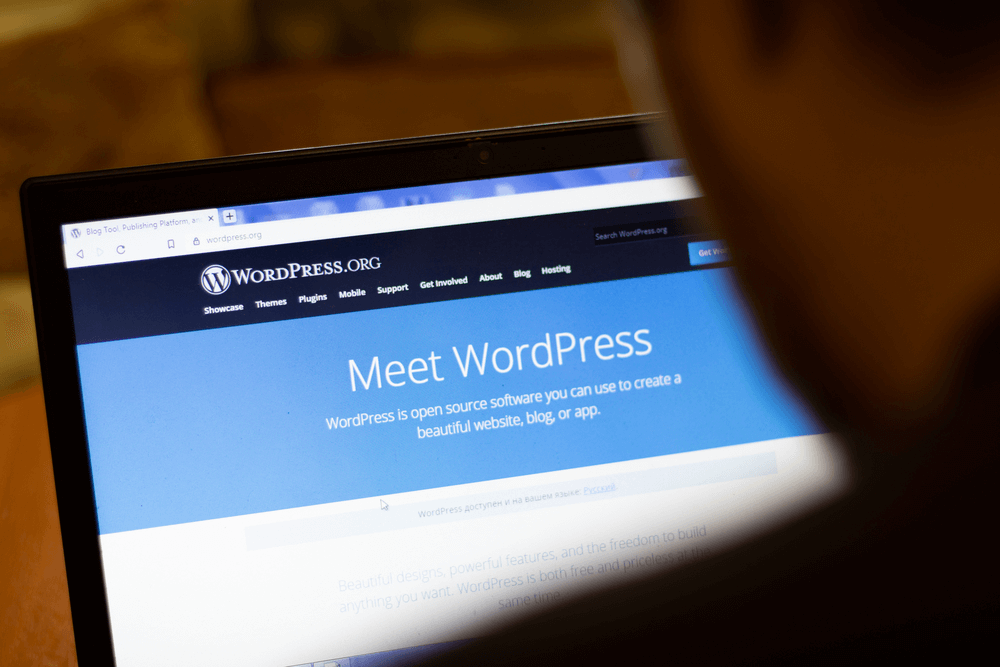 When designing landing pages with WordPress, the key to increasing traffic and conversion lies in effective optimization strategies. These include keeping up with SEO best practices, ensuring your pages are fast and mobile-friendly, and using A/B testing to refine your approach.